

What to Look for During an Assisted Living Tour in Montgomery County
Walking into an assisted living community isn't just about checking off boxes. It's about reading the room, asking hard questions, and trusting what you see — not just what the brochure promised. Montgomery County has plenty of options, and some are genuinely great. Others just look the part. The difference shows up in the details, and if you're not paying attention during that tour, you're making a decision blind.
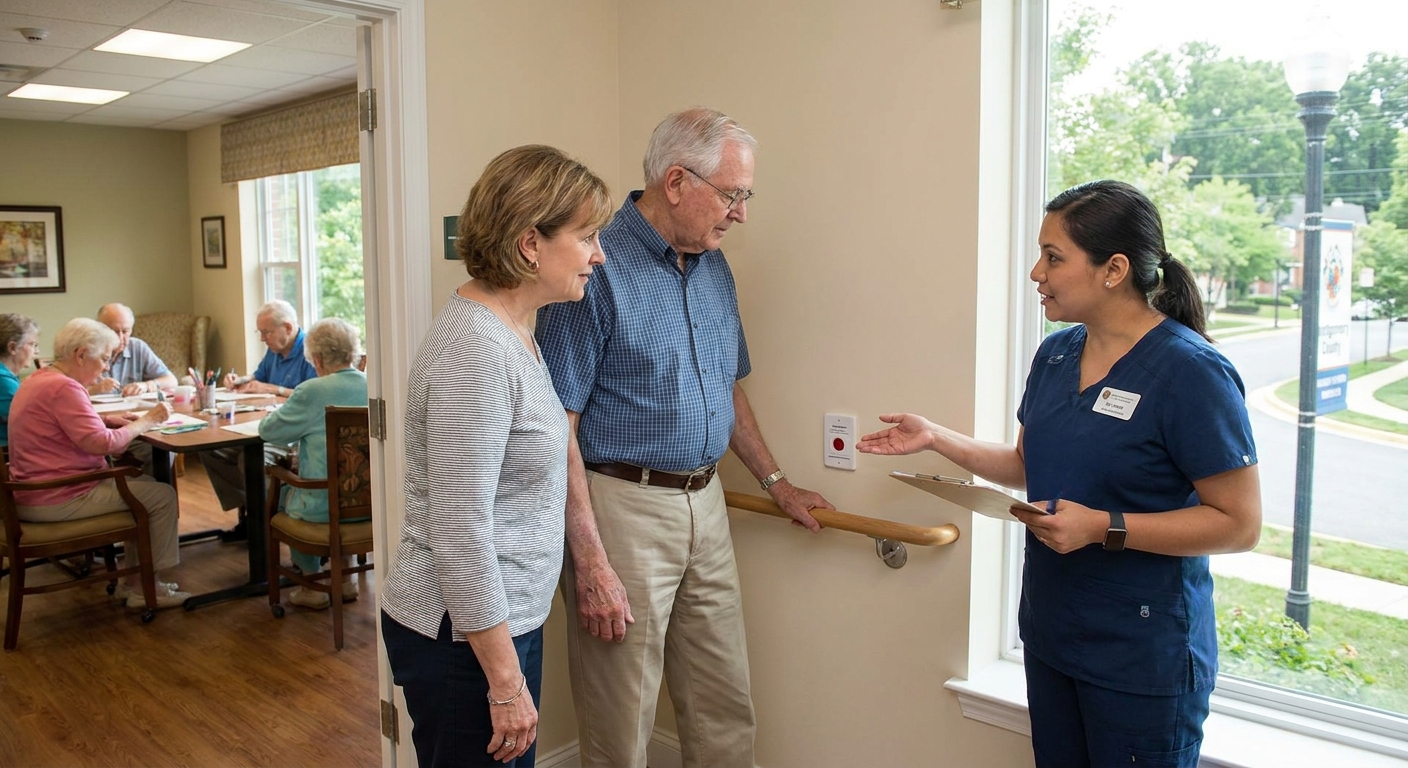
Every community will show you their best angle. Polished lobby. Smiling staff. Fresh flowers on the counter. Fine. But what matters is what happens when no one's watching. How the staff treats residents when they think you're not looking. Whether the place smells clean or just smells like air freshener covering something else. Whether residents look engaged or checked out. That's the real story.
The Building Tells You What Management Prioritizes
Pull up to the property and take it in. Are the walkways cracked? Is the landscaping overgrown or neglected? Are the entry doors clean, or are there smudges and wear that nobody's bothered to address? These aren't cosmetic nitpicks. They're signals. A facility that lets the outside slide is probably letting other things slide too.
Once you're inside, keep your eyes open. Look at the floors, the furniture, the railings. Are they maintained or just holding on? Is there clutter in the hallways? Are the common areas inviting, or do they feel institutional? We're not saying it needs to look like a resort. But it should feel like a place where people actually live — not just exist.
Staff Behavior Reveals the Culture
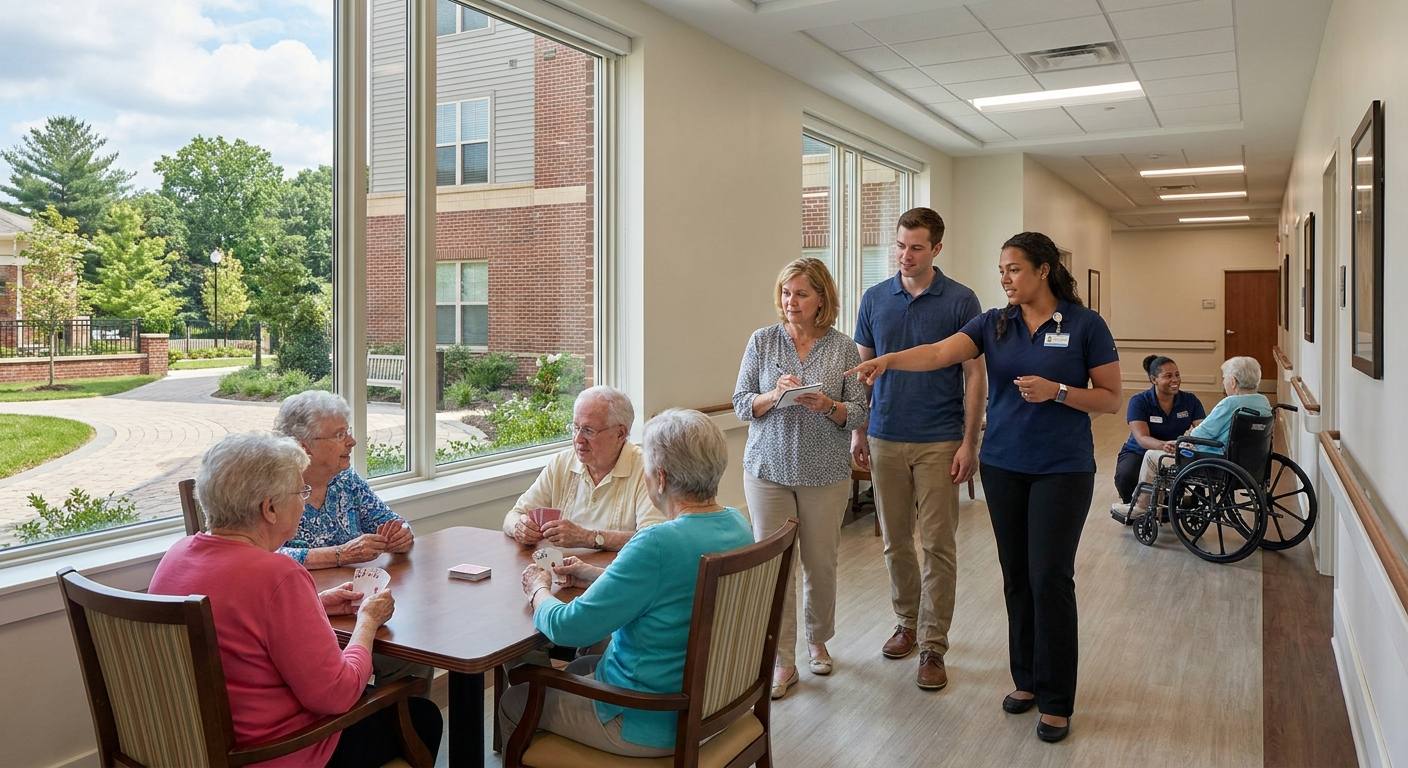
Watch how employees interact with residents. Do they make eye contact? Use their names? Respond with patience, or do they brush people off? You'll learn more in five minutes of observation than you will from any scripted sales pitch. If the staff seems rushed, detached, or irritated, that's your cue.
Ask how they handle turnover. High turnover means instability, and instability means inconsistent care. Residents shouldn't have to reintroduce themselves every few months because there's a revolving door of caregivers. Continuity matters. So does training. If they can't tell you how staff are trained or how often, that's a red flag.
Residents Should Look Like They Want to Be There
Are people sitting in the common areas talking, playing cards, reading? Or are they parked in front of a TV with blank stares? Are they dressed and groomed, or does it look like no one's checking in? Engagement doesn't happen by accident. It's a reflection of whether the community is actually invested in quality of life or just managing bodies.
Ask about the activity calendar. Not just whether one exists, but whether residents actually participate. If the schedule is packed but no one shows up, something's broken. And if the activities are all bingo and movie nights, ask what else they offer. Variety matters. So does choice.
Safety Features That Actually Function
We're not talking about having grab bars — we're talking about whether those grab bars are secure. Whether the emergency call buttons work. Whether staff respond quickly when someone needs help. Ask how they handle medical emergencies. What's the protocol? Who's on site overnight? How fast can they get someone to a hospital if needed?
Look for these during your walkthrough:
- Handrails that are firmly mounted and accessible throughout hallways and bathrooms
- Non-slip flooring in high-traffic and wet areas
- Emergency call systems in every resident room and bathroom
- Well-lit spaces, especially stairways and entryways
- Fire safety equipment that's visible and up to date
The Dining Room Isn't Just About Food
Meals are one of the few consistent touchpoints every single day. If the food is bad, life there will feel bad. If possible, eat a meal during your visit. Is it fresh? Does it look appealing? Is there variety? Can they accommodate dietary restrictions without making it a hassle?
But beyond the menu, watch the atmosphere. Are residents enjoying themselves? Is the dining room loud with conversation, or is it quiet and isolated? Are tables set properly? Do staff assist residents who need help, or are people left struggling? The dining experience tells you whether the community sees meals as nourishment or just a required service.
Care Plans Need to Be Personalized
Every resident is different. Some need minimal help. Others need significant daily support. Ask how care options are created and who's involved. Is there an assessment process? Do families get input? How often are plans reviewed and updated?
If they're using a one-size-fits-all approach, that's a problem. Care should adapt as needs change. And residents — or their families — should have a voice in how that care is delivered. If the staff can't explain their process clearly, they probably don't have one.
What Current Residents and Families Actually Say
Don't just take the tour guide's word for it. Ask to speak with residents. Ask to speak with family members. Most good communities will accommodate that request. If they won't, ask why. Transparency is everything.
Here's what to ask them:
- Are you happy with the level of care provided?
- Do you feel safe and respected here?
- How quickly does staff respond when you need help?
- Have there been any issues with billing or surprise charges?
- Would you recommend this community to someone else?
Location Affects Daily Life
Montgomery County is big. Some communities are tucked into quiet neighborhoods. Others are near shopping centers, medical offices, and transit. Think about what matters most. Is it important to be close to family? Near a specific hospital or specialist? In a walkable area?
Ask about transportation. Do they provide it? Is it scheduled or on-demand? What if a resident needs to get to a doctor's appointment that's not on the regular route? Limited mobility shouldn't mean limited access. If the community doesn't offer flexible transportation, that's something to weigh.
Billing Shouldn't Be a Mystery
Get a full breakdown of costs upfront. What's included in the base fee? What costs extra? How are rate increases handled? What happens if a resident's care needs increase — is there a tier system, or does pricing jump unpredictably?
Here's what your cost conversation should cover:
- Monthly base rate and what services it includes
- Additional fees for higher levels of care or assistance
- Charges for amenities like cable, phone, or housekeeping
- Deposit requirements and refund policies
- How rate increases are communicated and how often they occur
Licensing Tells You They're Accountable
Every assisted living community in Maryland must be licensed by the state. Ask to see their license. Ask if they've had any violations or deficiencies. You can also check the Maryland Department of Health's online database to verify their standing.
Accreditation from organizations like CARF or the Joint Commission is a plus, but it's not mandatory. Still, it shows a community is willing to meet higher standards and submit to external review. That kind of accountability matters.
Trust What You See Over What You Hear
Brochures are polished. Websites are curated. Sales pitches are rehearsed. But what you observe during an unscheduled visit or a candid moment with a resident — that's the truth. Don't ignore your gut. If something feels off, it probably is.
Here's what to watch for that most people miss:
- How long it takes staff to respond to call buttons
- Whether residents look like they've been dressed and groomed recently
- How clean the less-visible areas are, like storage rooms or back hallways
- Whether there's clutter or safety hazards in resident rooms
- If staff speak to residents like adults or talk down to them
The Right Fit Doesn't Announce Itself
No single tour will give you every answer. But a good one will give you enough to know whether a community deserves a second look. Take notes. Compare what you saw, not just what you were told. And don't settle for a place that checks the boxes but doesn't feel right.
Choosing senior living guidance in Montgomery County means choosing a place where life continues — not where it pauses. The right community supports independence, respects dignity, and delivers care without cutting corners. And the only way to find that is to show up, ask hard questions, and pay attention to what actually happens when the doors close behind the tour group. For personalized support and expert assistance in finding the right fit, schedule a free consultation with professionals who understand your unique needs and can help navigate the service areas available to you.
Let’s Make Your Search Easier
We know how overwhelming it can feel to find the right assisted living community in Montgomery County. Let’s work together to make this process less stressful and more successful for your family. If you’re ready for honest advice and local expertise, call us at 267-429-6259 or schedule a free consultation and let’s take the next step together.
‹ Back
Recent Posts
-
Talking to a Parent About Senior Living in Montgomery County
August 13, 2026
-
-

-
Delaying Memory Care in Bucks County Can Create Safety Risks
March 23, 2026
-