

Delaying Memory Care in Bucks County Can Create Safety Risks
Most families think memory loss is just about forgetting names or misplacing keys. A little confusion here, a missed appointment there. But when it comes to safety, the stakes are higher than that — and if you're not paying attention, small lapses turn into dangerous situations. Memory conditions don't stand still. They move forward, often faster than families expect. And every month you wait to address care needs is a month where risk compounds.
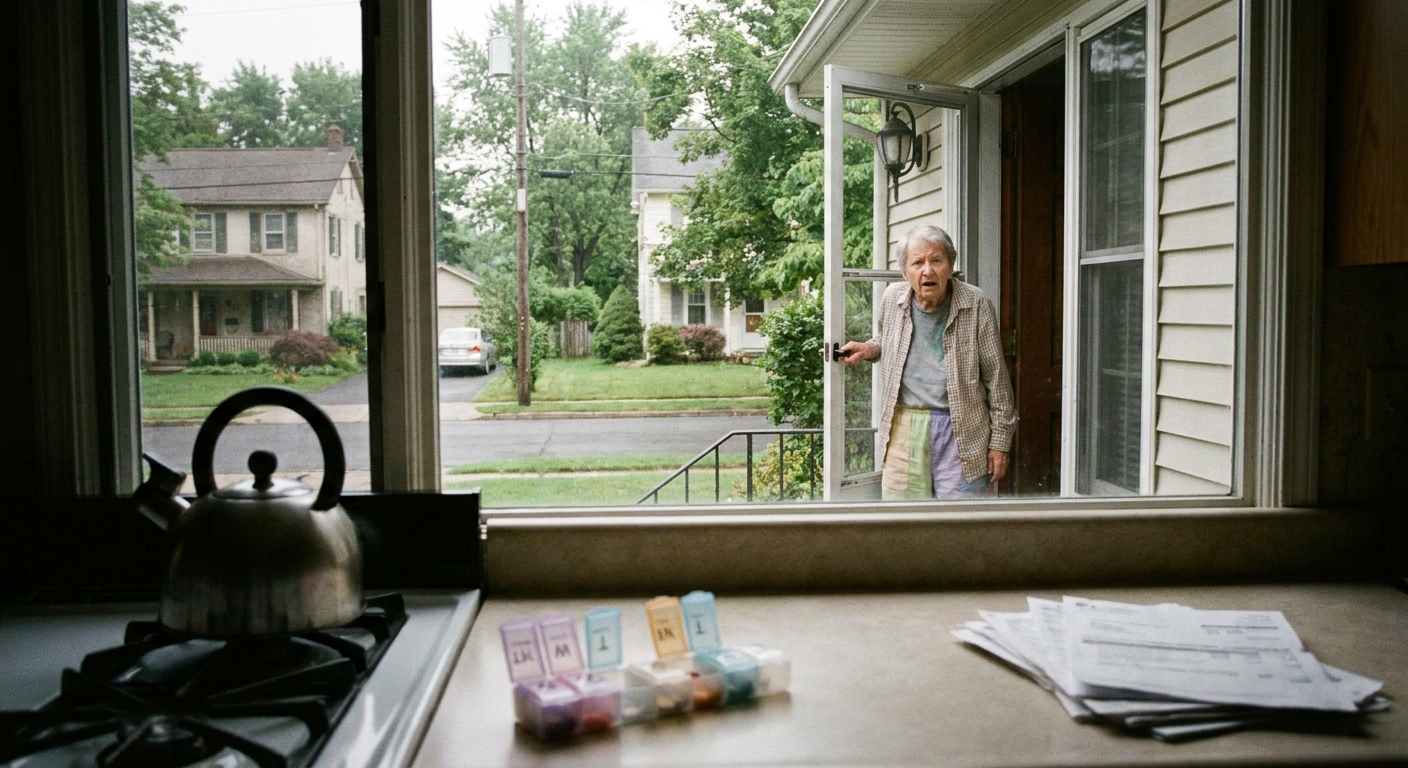
We've seen it play out across Bucks County. Families hold off on memory care because home feels safer, more familiar. But familiar doesn't mean protected. When judgment fades and routines fall apart, the home environment becomes a minefield. The stove stays on. Medications get mixed up. Doors get left open in January. That's not independence — that's exposure.
Wandering Happens Without Warning
One of the most serious threats tied to memory decline is wandering. It's not always dramatic. Sometimes it starts with someone stepping outside to check the mail and forgetting how to get back. Other times it's a middle-of-the-night walk that ends blocks away in unfamiliar territory. In areas like Bucks County, where rural roads and wooded stretches mix with suburban developments, a disoriented individual can disappear quickly.
Memory care communities are built to prevent this. Secured entry points, monitored exits, and staff trained to recognize early signs of restlessness all work together to keep residents safe. At home, even with the best intentions, families can't watch every door every minute. And once someone's gone, time becomes the enemy.
Medication Management Breaks Down Fast
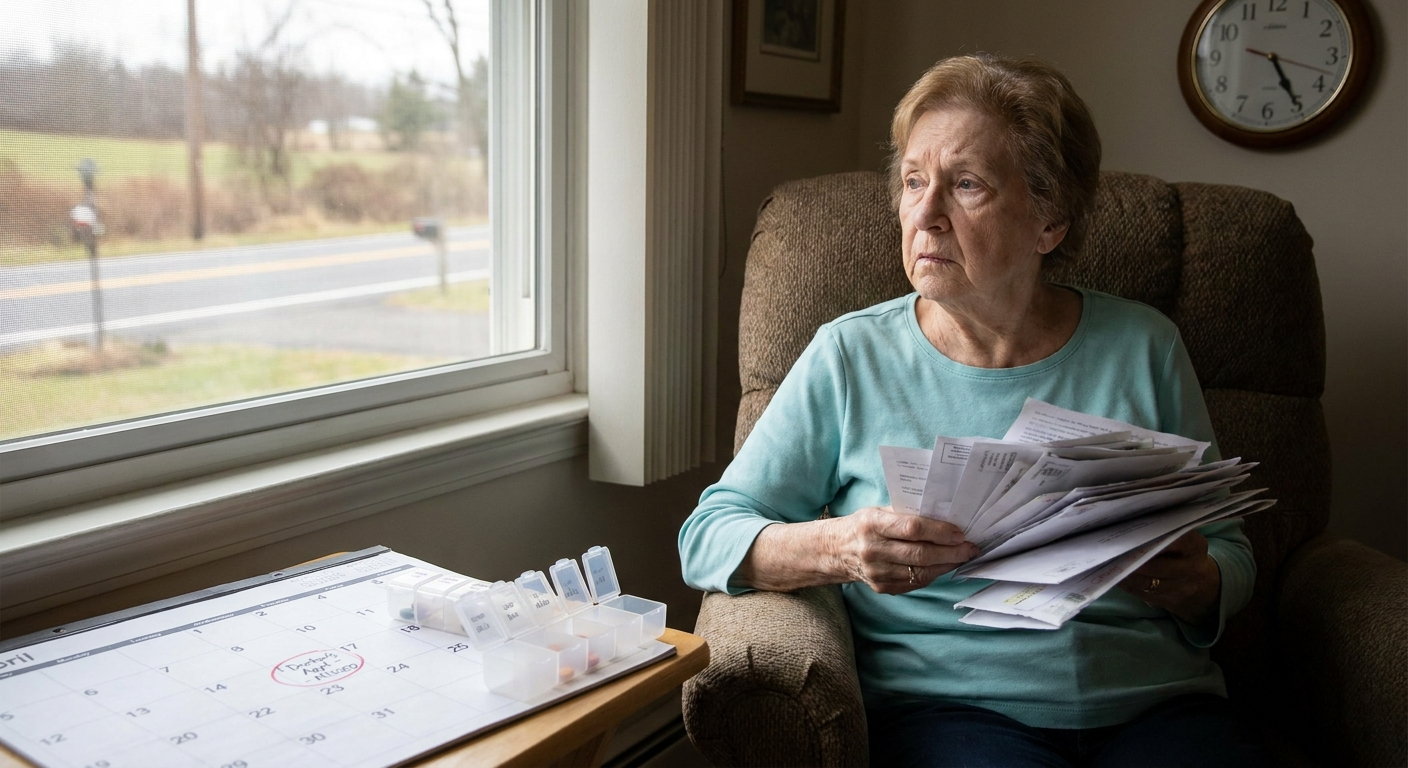
Handling prescriptions becomes nearly impossible when memory starts slipping. We're not talking about occasional forgetfulness — we're talking about taking the wrong pills, doubling doses, or skipping medications entirely. For conditions like hypertension, diabetes, or heart disease, that kind of inconsistency leads to hospitalizations.
Family caregivers try to keep up. They set alarms, lay out pill organizers, leave notes. But when the person you're caring for doesn't remember the system — or doesn't remember you explaining it — those safeguards fall apart. Memory care facilities handle medication administration with precision. Every dose is tracked, timed, and documented. No guessing. No missed windows.
Everyday Tasks Turn Into Hazards
Cooking. Cleaning. Locking doors. These are tasks most people perform on autopilot. But when cognitive function declines, autopilot shuts off. What used to be routine becomes risky. Stoves left burning. Faucets running until they flood. Spoiled food eaten because expiration dates don't register anymore.
Here's where home safety breaks down most often:
- Unattended cooking leading to fire hazards
- Improperly stored cleaning chemicals or medications
- Trip hazards from clutter or forgotten spills
- Unlocked doors inviting intruders or enabling wandering
- Confusion with appliances like space heaters or irons
Memory care environments eliminate most of these risks. Staff supervise activities, maintain clean and organized spaces, and handle anything that requires heat, sharp objects, or judgment calls. It's not about taking away dignity — it's about removing the variables that lead to emergencies.
Social Withdrawal Accelerates Decline
Isolation doesn't just affect mood — it worsens cognitive decline. When someone with memory loss stops engaging with others, their condition often deteriorates faster. Conversations become harder. Motivation disappears. Days blur together without structure or stimulation.
At home, especially if family members work or live far away, that isolation becomes inevitable. Memory care settings counter this with structured activities, group interaction, and daily routines designed to keep residents mentally and socially engaged. In Bucks County communities, programming often ties into local culture and traditions, giving residents a sense of place and connection even as their memory fades.
Caregiver Burnout Puts Everyone at Risk
Family caregivers carry an enormous load. They manage medications, monitor safety, provide companionship, and handle daily living tasks — often while juggling jobs and their own families. That level of responsibility leads to exhaustion. And when caregivers burn out, mistakes happen. Doses get missed. Warning signs get overlooked. Frustration boils over into moments no one's proud of.
Delaying professional care doesn't just put the person with memory loss at risk — it endangers the caregiver too. High stress, chronic sleep deprivation, and emotional strain take a real toll on physical health. We've worked with families who waited until a crisis forced their hand: a fall, a hospitalization, a caregiver collapse. By then, the transition is harder for everyone.
What Memory Care Actually Provides
Memory care isn't a last resort. It's a structured, specialized form of support designed to meet the needs of individuals with cognitive decline. Staff are trained in dementia care. Environments are secure but comfortable. Medical oversight is built into the daily routine.
Here's what sets memory care apart from other options:
- 24/7 supervision by trained dementia care professionals
- Personalized care plans that adapt as needs change
- Medication management with full documentation
- Secure facilities that prevent wandering
- Cognitive and physical activities tailored to ability levels
The earlier someone transitions into memory care, the smoother the adjustment. They're still able to participate in activities, form relationships with staff and other residents, and retain some sense of autonomy. Waiting until a crisis strips away those opportunities.
Timing the Transition Right
There's no magic formula for when to move forward with memory care. But there are clear indicators that the risks at home have outgrown what family support can safely manage. If daily tasks are becoming impossible, if medications are being mishandled, or if wandering has started, those are red flags.
Consulting with healthcare providers helps. So does touring memory care communities in Bucks County and asking direct questions about safety protocols, staffing ratios, and how they handle behavioral changes. The more informed you are, the better equipped you'll be to make a decision that protects your loved one without waiting for an emergency.
Red Flags That Delay Is Dangerous
Some warning signs demand immediate action. If any of the following are happening, it's time to move quickly:
- Repeated incidents of leaving the stove on or causing fire hazards
- Getting lost in familiar places, including the neighborhood
- Aggressive or unpredictable behavior that endangers self or others
- Significant weight loss due to forgetting to eat
- Caregiver physical or emotional collapse
These aren't situations you can manage with better planning or more help from relatives. They're signals that professional intervention is overdue.
How Bucks County Communities Address Safety
Memory care facilities in Bucks County are equipped to handle the specific challenges of dementia. Secured units prevent wandering. Staff-to-resident ratios allow for close monitoring. Emergency response systems are in place. And because these communities specialize in memory care, they're prepared for the behavioral and medical complexities that come with cognitive decline.
Families who choose memory care early often report relief — not just for their loved one, but for themselves. Knowing that someone is safe, fed, medicated, and engaged allows family members to step back into their roles as visitors and advocates rather than exhausted, round-the-clock caregivers.
What Happens When You Wait Too Long
Delaying memory care doesn't preserve independence — it increases the likelihood of a crisis. Falls. Fires. Medical emergencies. Police involvement after a wandering incident. By the time families are forced to act, the transition is traumatic. The individual is confused and resistant. The family is guilt-ridden and overwhelmed. And the placement often happens in whatever facility has an immediate opening, not necessarily the best fit.
Planning ahead gives you control. Visiting communities, understanding costs, and having conversations before you're in crisis mode means you can make thoughtful decisions. Waiting until something breaks means you're reacting, not choosing.
Taking the Next Step
If you're watching a loved one struggle with memory loss in Bucks County, the risks are real and they're growing. Every day without proper support is a day where safety is compromised. Memory care isn't about giving up — it's about giving your loved one the structure, security, and specialized attention they need to live as fully as their condition allows.
We help families navigate these decisions with clarity and urgency. If you're ready to explore care options or need senior living guidance on what comes next, reach out. The sooner you act, the safer everyone will be — and the more control you'll have over what happens next.
Let’s Make Safety the Priority Together
We understand how overwhelming it can feel to make decisions about memory care, but you don’t have to navigate this alone. Let’s work together to ensure your loved one’s safety and well-being, so you can have peace of mind knowing they’re in the right environment. Call us at 267-429-6259 or schedule a free consultation to start the conversation and take the next step toward a safer future.
‹ Back
Recent Posts
-

Talking to a Parent About Senior Living in Montgomery County
August 13, 2026
-
-

-
Delaying Memory Care in Bucks County Can Create Safety Risks
March 23, 2026
-